


Skip to content
Kangaroo Direct Publishing — home

Genres

Business book publishing for Australian professionals

A book is the most durable credential you can hand someone. Edited so the argument holds, designed so it does not look self-published, and printed in quantities that suit events and clients.

  • A free manuscript read
  • Fixed written quote
  • You keep the rights

Portfolio

Business books covers from our studio

Cover and production work, each shown with its title and author.

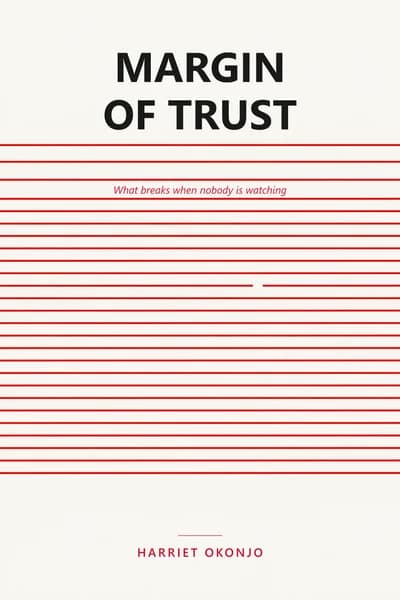
  • Margin of Trust — a Swiss typographic grid of fine red rules with one broken line on warm white

    Margin of Trust

    Harriet Okonjo

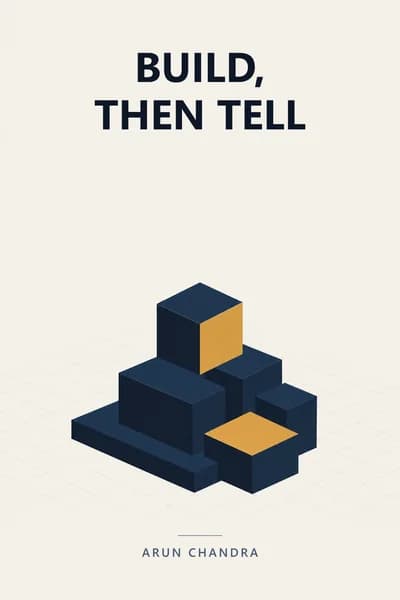
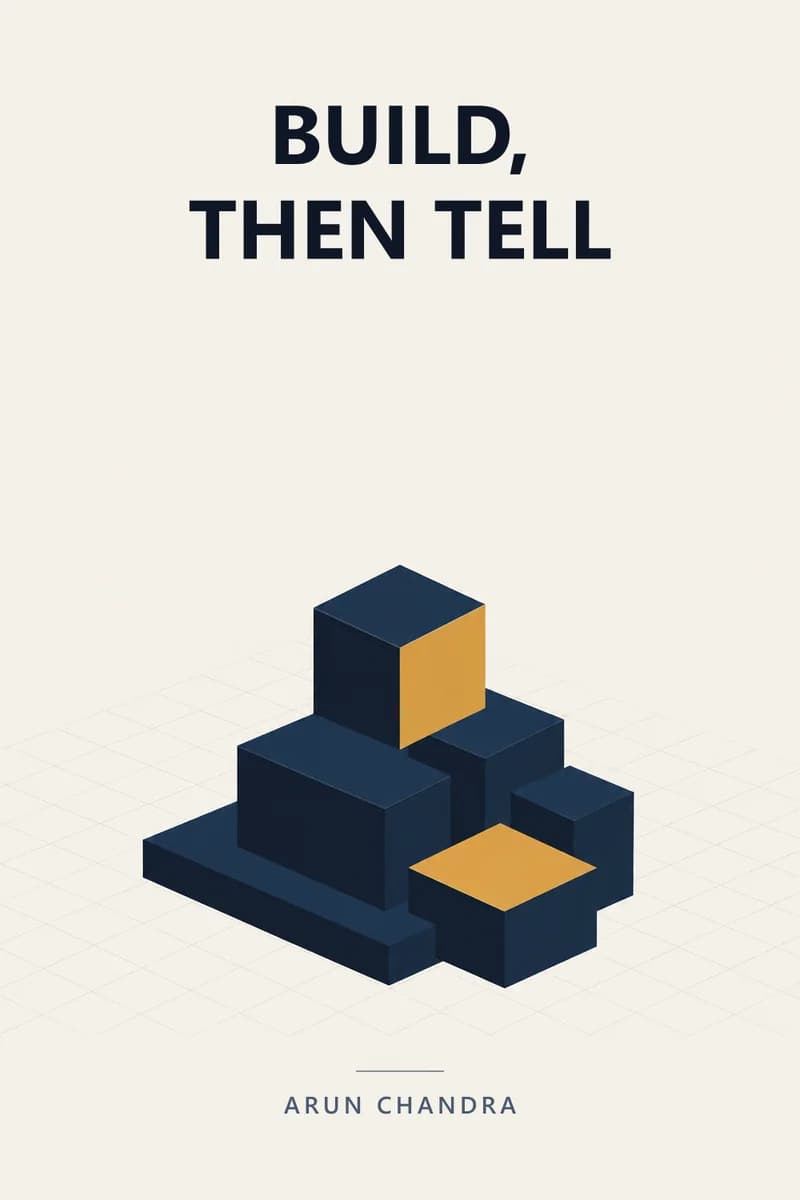
  • Build, Then Tell — isometric stacked blocks rising in navy and ochre on a pale grid

    Build, Then Tell

    Arun Chandra

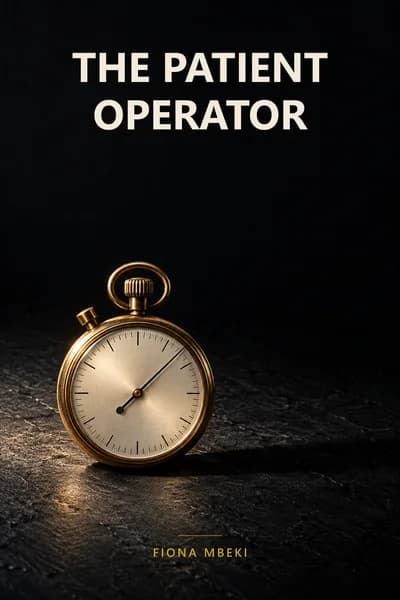
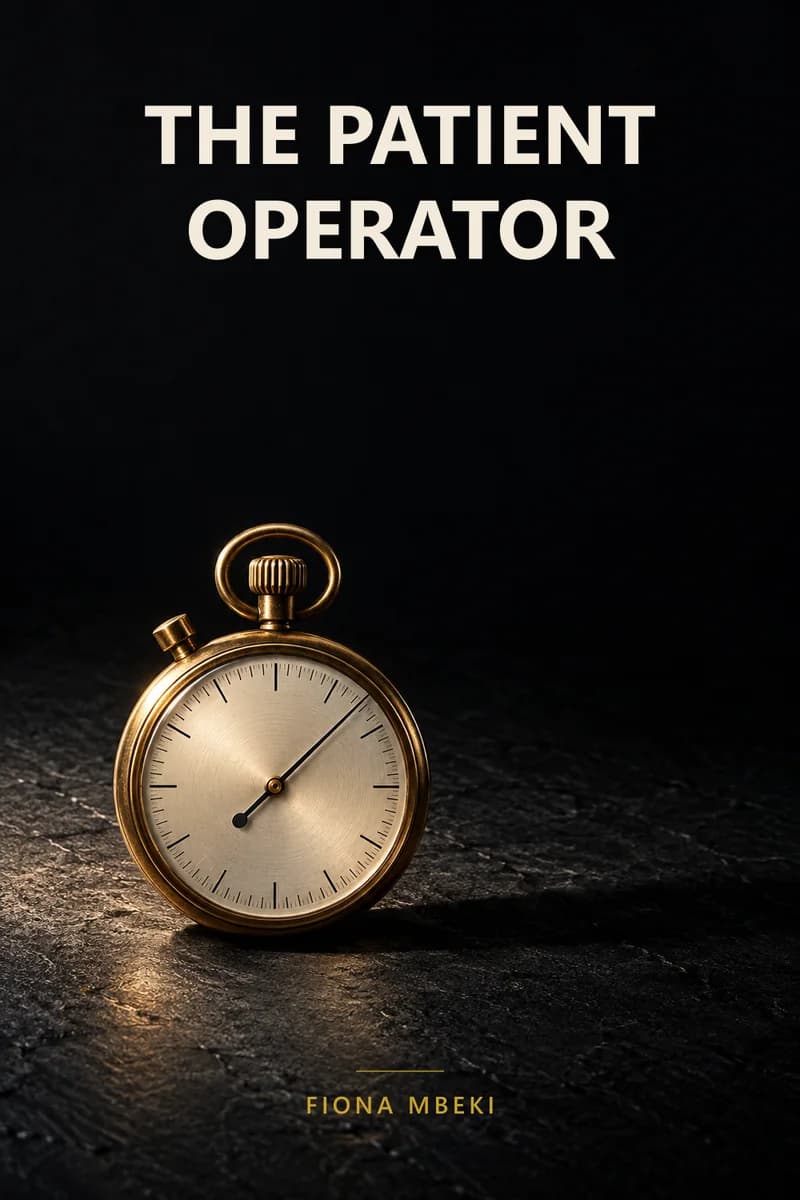
  • The Patient Operator — a brass stopwatch photographed on a dark slate surface under one hard light

    The Patient Operator

    Fiona Mbeki

A reader relaxing with a paperback surrounded by indoor plants

What this genre needs

A business book has a job outside the bookshop

Most business books are not bought by strangers browsing. They are given to clients, handed out at events, and read because of who wrote them.

That changes what matters. The cover has to survive being seen next to trade-published books on a conference table. The structure has to let a busy reader take the argument in chapters. And the book has to say one thing clearly, because a business book that covers everything you know persuades nobody of anything.

It also changes the economics: bulk print runs for events, a hardback edition for clients, and sometimes a second edition as the ideas develop. We work through book editing, interior formatting and book marketing.

  • One central argument, named and defended
  • A cover built to sit beside trade-published books
  • Diagrams and frameworks drawn to one visual system
  • Bulk runs, hardbacks and client editions costed up front

What's involved

What business book publishing involves

Four things that separate a credential from a brochure.

  • Argument editing

    One thesis, defended in order, with the consultancy padding taken out.

  • Framework design

    Your models and diagrams drawn to one visual system, print-ready.

  • A credible cover

    Designed to hold up beside trade-published business books, not above them.

  • Bulk and client editions

    Event runs, hardbacks and a costed plan for giving the book away.

Case study

A business book, as a publishing problem

The cover-design thinking sits on the cover-design page. These are the publishing decisions: trim, page count and the economics of giving books away.

The Quiet Advantage — a single ochre circle offset against stacked geometric bands on a cream field

The Quiet Advantage

David Ngata

The brief: a first business book by an author with no platform, intended mostly to be given away at speaking events, with a retail listing as a secondary channel. Giving books away cheaply and selling them credibly pull in opposite directions.

What we did

  • Specified a 234 × 156mm trim, the size trade business books use, so it reads as one of them
  • Costed a 300-copy offset run for events against print on demand for retail
  • Set the frameworks as vector diagrams in one line weight, legible in mono
  • Kept the page count under 200 to hold the unit cost down for bulk giving
  • Left the back cover to one endorsement band rather than three columns of praise

What was delivered

  • Print interior with a consistent diagram system
  • Cover artwork for print, ebook and audiobook
  • A costed bulk-run and print-on-demand comparison
  • An ebook built for the reader who starts it on a plane

Questions authors ask

Business books: questions authors ask

Indirectly, and not reliably. A good business book makes an existing reputation legible and gives you something durable to hand people; it rarely generates enquiries on its own. Authors who treat it as a credential are usually satisfied; authors who treat it as lead generation usually are not, and we say so early.

Forty to sixty thousand words is plenty, and shorter is often better. The constraint is that one argument has to carry the book, and most business manuscripts arrive at ninety thousand words because they include everything the author knows. Cutting is the main editorial work and it makes the book more persuasive.

Yes, and it is worth planning early because quantity changes the economics. A short offset run of two to five hundred copies brings the unit cost down substantially compared with print on demand, and keeping the page count under about two hundred keeps it lower again. We cost both routes.

You can register the ISBN to your company as the imprint, and some authors prefer that. The trade-off is that it looks like a company publishing itself, which some readers discount. An imprint name that is not your consultancy often reads better, and it costs nothing to create.

Yes, through ghostwriting, and it is one of the most common requests we get. It usually works through recorded interviews, because people explain their own method far better out loud than in writing. The book is yours, with no credit to us and copyright in your name.

Yes, and it is the uncomfortable conversation this genre needs most. Plenty of business manuscripts restate well-known ideas with new labels. Sometimes the fix is narrowing to the one genuinely original thing you do; sometimes the honest answer is that the book is a credential rather than a contribution, and that is fine if you know it.

Still have a question? A real publisher will answer it.

Start your publishing journey
Make room for your book.

From your desk to a reader’s shelf

Tell us the one idea

Send the manuscript or the outline, and say in a sentence what the book argues. We will tell you whether the structure carries it, and what publishing it would cost.