


Skip to content
Kangaroo Direct Publishing — home

Genres

Memoir and biography publishing in Australia

Your life, shaped into a book a stranger would read. Structural editing, a frank conversation about what you can safely write, and editions sized for family or for sale.

  • A free manuscript read
  • Fixed written quote
  • You keep the rights

Portfolio

Memoir and biography covers from our studio

Cover and production work, each shown with its title and author.

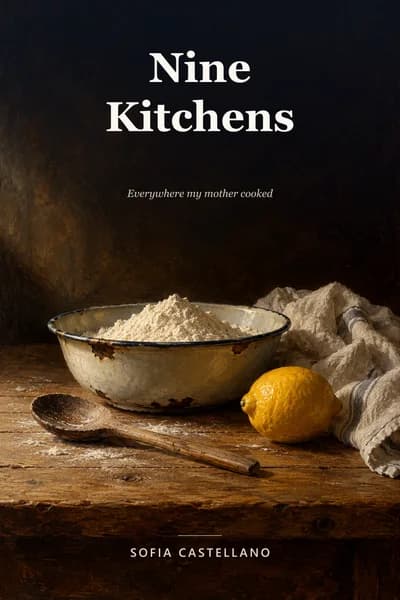
  • Nine Kitchens — an oil still life of a worn wooden spoon, a chipped bowl and a lemon on a scrubbed table

    Nine Kitchens

    Sofia Castellano

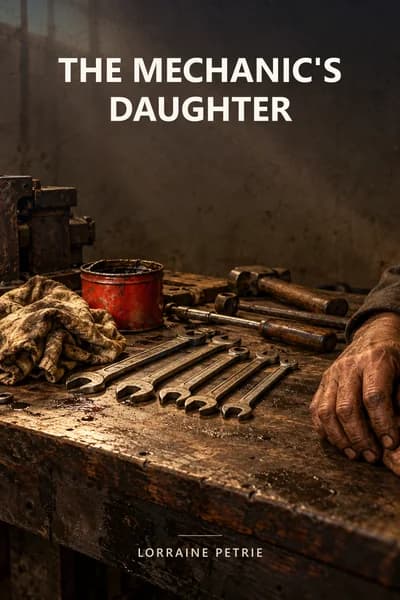
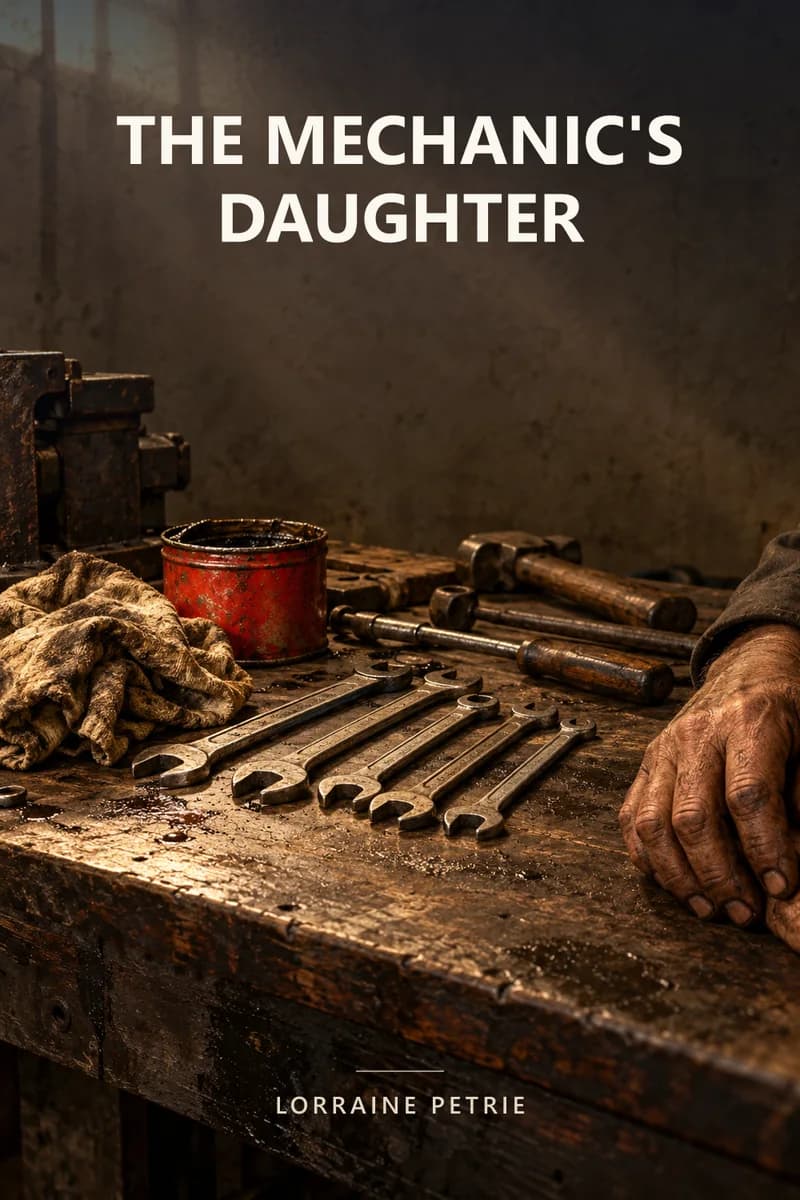
  • The Mechanic's Daughter — a documentary photograph of a workshop bench with worn spanners and oil-stained hands

    The Mechanic's Daughter

    Lorraine Petrie

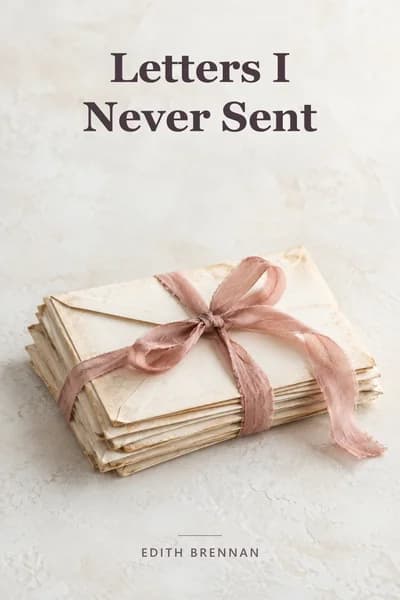
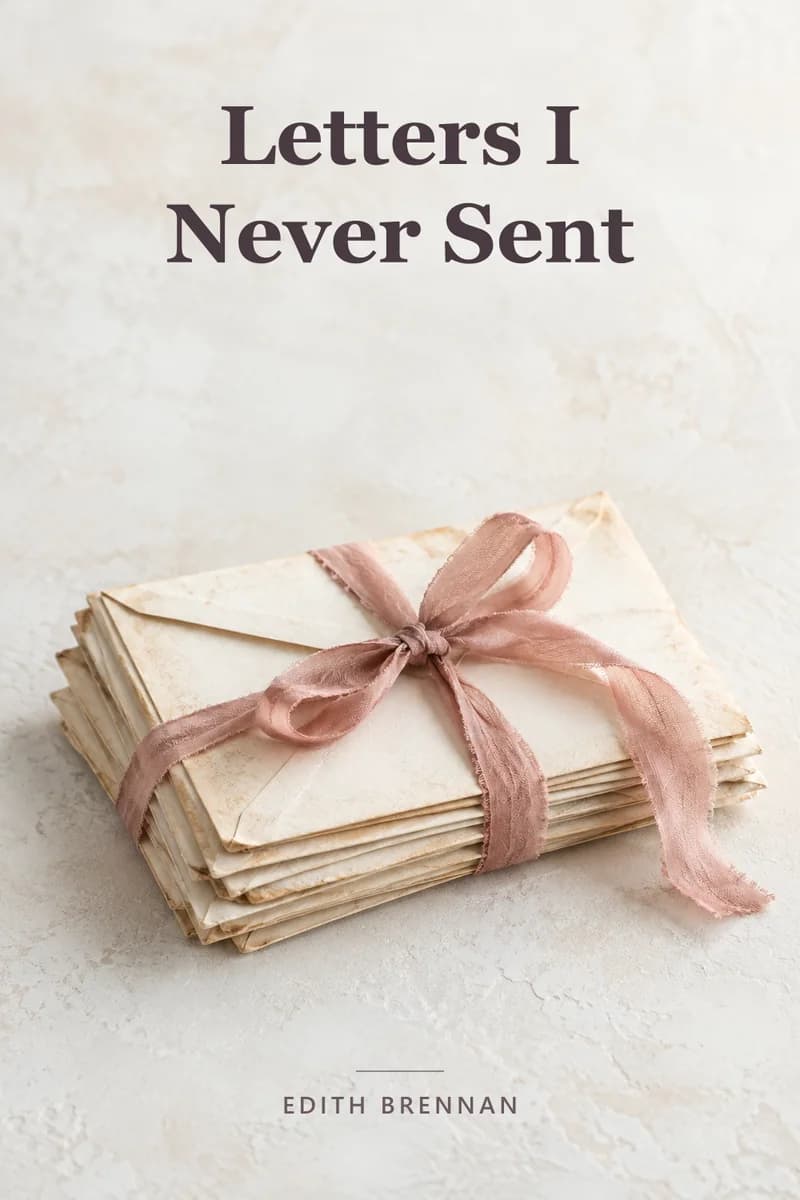
  • Letters I Never Sent — a stack of aged unopened envelopes tied with faded ribbon on a pale ground

    Letters I Never Sent

    Edith Brennan

A woman holding an open hardback, photographed in soft directional daylight

What this genre needs

A memoir is not a chronology

The hardest thing about memoir is that your life happened in order and the book almost certainly should not.

Everything that happened matters to you. Only some of it serves the book, and the parts that matter most are usually the ones you least want to write. A structural edit on a memoir is mostly about selection: which three threads carry the story, where it starts, and what can go entirely.

There is also a legal dimension fiction does not have, because other living people appear in your book. We read for that, and we are candid about it. Many memoir projects also start as ghostwriting or an assessment first, then book editing and book printing for a family edition.

  • Structural work on selection, not just chronology
  • A read for defamation and privacy risk before publication
  • Family-run editions as well as retail publication
  • Photographs scanned, placed and captioned properly

What's involved

What memoir publishing involves

Four things specific to writing about real people.

  • Selection editing

    Which threads carry the book, where it starts, and what comes out entirely.

  • A legal read

    A frank review of defamation and privacy risk, and how to reduce it.

  • Photographs and documents

    Scanned, restored where needed, placed and captioned in the right chapters.

  • Family or retail editions

    A short run for the family, a retail listing, or both at different prices.

Case study

A memoir in two editions

One cover and one interior serving both a family print run and a retail edition, which is the decision most memoirs actually face.

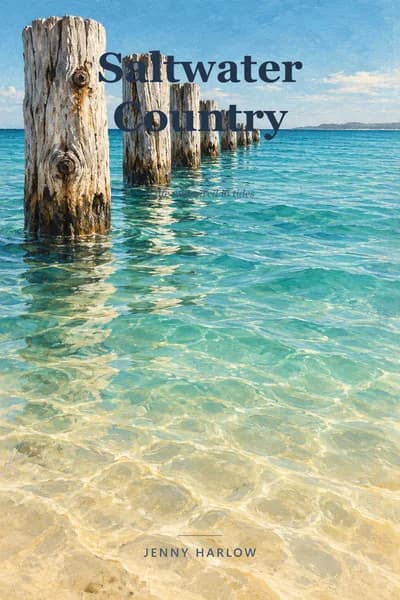
Saltwater Country — a weathered coastal headland above pale sand and shallow turquoise water

Saltwater Country

Jenny Harlow

The brief: a coastal memoir intended for two audiences at once — a family print run of around sixty copies, and a retail edition for general readers. One cover had to serve both, and one interior had to print economically at both quantities.

What we did

  • Chose landscape over a portrait photograph, so the cover is about place rather than a face
  • Set a 16-page photographic section rather than images throughout, to control print cost
  • Specified one trim size for both editions so the typeset interior is shared
  • Costed a 60-copy short run against print on demand and set the retail price from it
  • Kept the spine design simple enough to survive a changing page count

What was delivered

  • Cover artwork for print and ebook
  • A shared print interior with a 16-page photo section
  • A costed comparison of short-run and print-on-demand editions
  • Caption and permission list for every photograph

Questions authors ask

Memoir and biography: questions authors ask

Legally you can write about your own life, but what you say about identifiable living people can be defamatory even when true in your memory, and Australian defamation law is not generous. We read for risk and suggest changes — composite characters, removed detail, changed names — and for anything serious we recommend a lawyer, not us.

Enough that a person is not identifiable if what you write about them is damaging, which usually means changing more than the name. Place, occupation and relationship together identify people quickly. We will point out where a disguise is too thin to work rather than leaving you to find out after publication.

No, and we will tell you when a lighter package is the sensible choice. A family edition needs a clean proofread, a decent typeset interior and a short print run. Paying for a full structural edit and a retail-grade cover for sixty copies is usually money better spent on more copies.

Yes. Photographs are usually grouped into one or two sections rather than scattered through the text, because mono images inside a text block print poorly and colour throughout is expensive. We scan, place and caption them, and we will tell you which are too low-resolution to print well.

Yes, carefully and honestly. A life can be rich and a manuscript still not work for readers who were not there, usually because it recounts rather than selects. That is an editorial problem with solutions, and knowing it before you spend on a retail edition is worth the assessment fee.

Consider it if the writing itself is the obstacle rather than the material. Many memoirs begin as interviews, because people tell their story better out loud than on the page. The book remains yours — a ghostwriter takes no credit and no copyright — and we will say if editing your own draft would serve you better.

Still have a question? A real publisher will answer it.

Start your publishing journey
Make room for your book.

From your desk to a reader’s shelf

Tell us whose story it is

Send what you have written and say whether the book is for your family or for sale. We will come back with a plan sized for that, and a price.