


Skip to content
Kangaroo Direct Publishing — home

Genres

Non-fiction book publishing for Australian authors

Books that teach, argue or explain. Edited for structure before style, typeset to handle figures, tables and references, and listed where researchers and libraries can find them.

  • A free manuscript read
  • Fixed written quote
  • You keep the rights

Portfolio

Non-fiction covers from our studio

Cover and production work, each shown with its title and author.

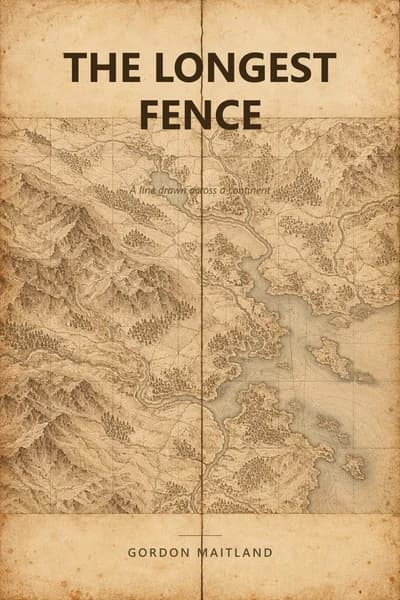
  • The Longest Fence — a sepia surveyor’s map with a single ruled line crossing it

    The Longest Fence

    Gordon Maitland

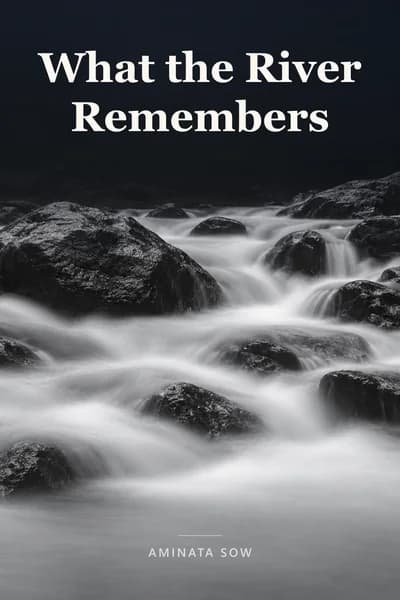
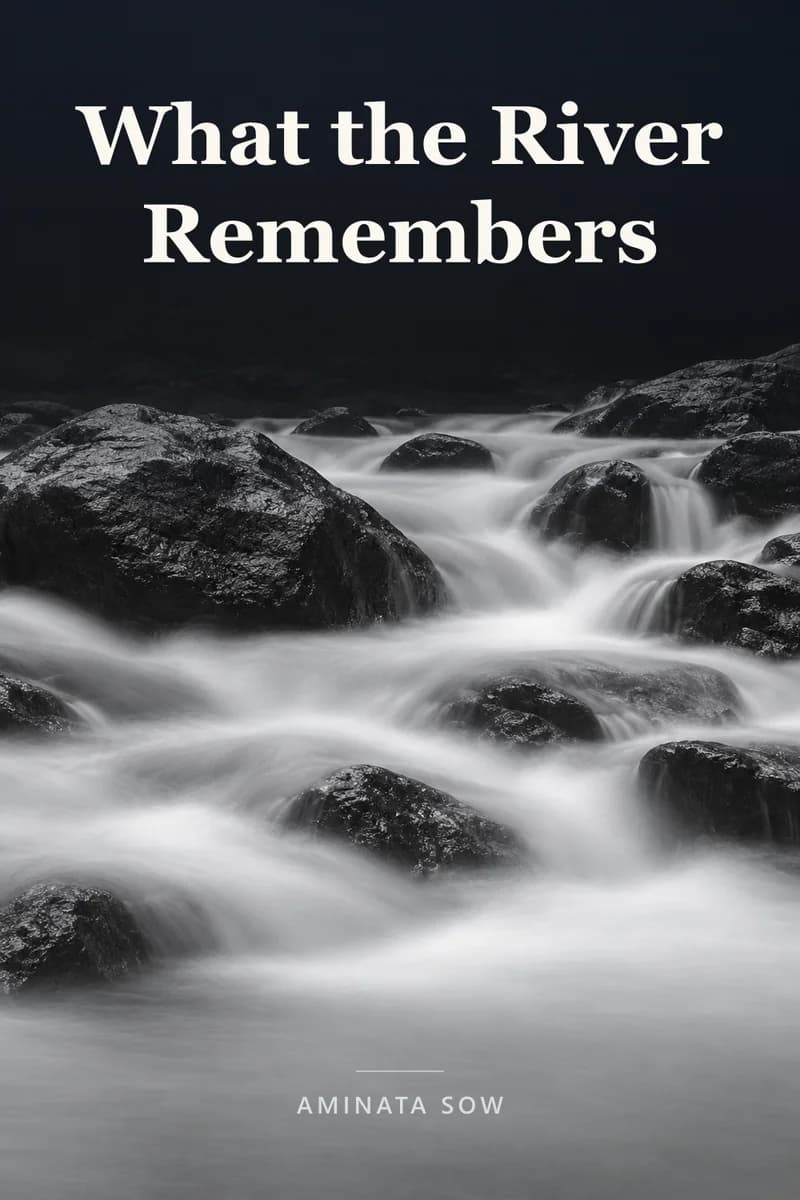
  • What the River Remembers — a long-exposure monochrome photograph of water smoothed over river stones

    What the River Remembers

    Aminata Sow

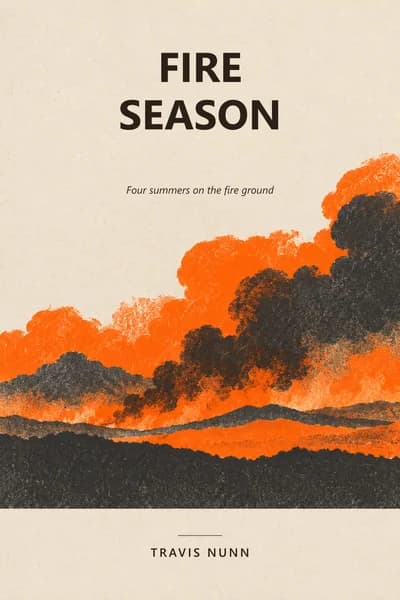
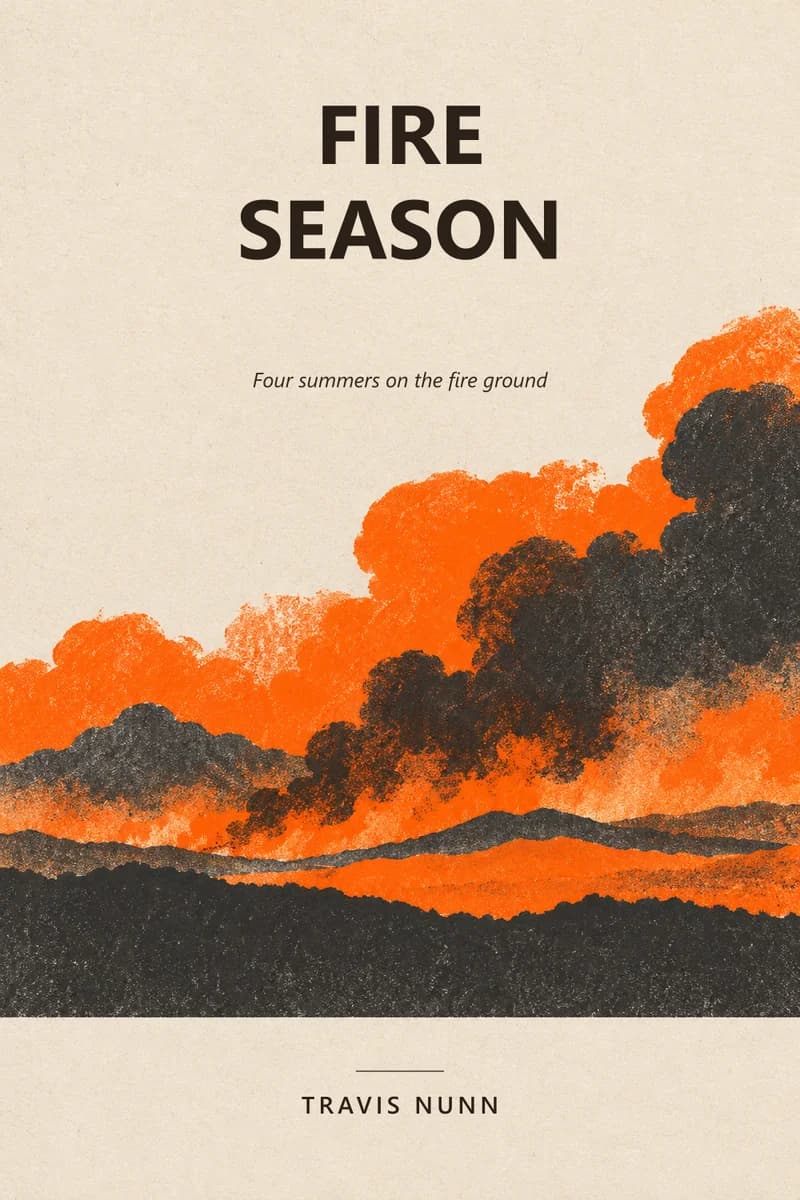
  • Fire Season — overlapping risograph bands of orange and charcoal suggesting smoke over a ridgeline

    Fire Season

    Travis Nunn

Close-up of the fanned pages of an open book resting on a table

What this genre needs

Non-fiction is won or lost in the contents list

A reader decides whether to buy your non-fiction book by scanning the chapter titles. If the structure is not obvious there, it is not obvious in the book either.

So the first editorial job is the shape: what each chapter is for, what order the argument needs, which chapter is actually two chapters, and where the book repeats itself. Non-fiction manuscripts repeat more than authors expect, because chapters are often written months apart.

Then it is production, which is harder here than in fiction: figures placed near the text that refers to them, tables that fit the measure, references styled consistently, and an index if the book needs one. We work through book editing, interior formatting and book marketing.

  • A structural edit on the argument, not just the sentences
  • Figures, tables and captions placed and numbered properly
  • References styled to one system, consistently
  • Library and institutional listing, not only retail

What's involved

What non-fiction publishing involves

Four things fiction never has to deal with.

  • Structural editing

    Chapter purpose and order, repetition removed, the argument made followable.

  • Figures and tables

    Numbered, captioned and placed near the text that refers to them.

  • References and permissions

    One citation system applied consistently, and quoted material checked.

  • Library listing

    Subject codes and a record built for libraries as well as retailers.

Case study

An illustrated non-fiction build

How an image-heavy non-fiction book gets built: where the colour goes, how the figures are numbered, and what the ebook does instead.

The Reef at Night — a bioluminescent coral reef glowing against deep blue-black water

The Reef at Night

Helena Voss

The brief: a natural-history book with around eighty photographs and forty diagrams, which has to print affordably, keep images beside the text that discusses them, and still work as a reflowable ebook where page layout does not exist.

What we did

  • Grouped colour plates into two signatures to avoid full-colour throughout
  • Set diagrams in one line weight and one type size so the book reads as one object
  • Numbered every figure and cross-referenced it in the text, then checked both directions
  • Built the ebook with images anchored to their paragraph rather than to a page
  • Specified a matte stock so photographs do not glare under a reading lamp

What was delivered

  • Print interior with colour plates and mono diagrams
  • Reflowable ebook with anchored, captioned figures
  • Figure list, reference list and index
  • A print specification costed two ways

Questions authors ask

Non-fiction: questions authors ask

If readers will look things up, yes — reference, history and professional non-fiction all benefit, and libraries expect one. Narrative non-fiction often does not need it. An index is built from the typeset pages, so it is one of the last jobs, and it is priced separately because it is specialist work.

You do, and we will tell you what needs clearing. Short quotations for criticism or review usually fall under fair dealing in Australia; song lyrics, poetry and photographs generally do not and rights holders can be expensive. We flag every item that needs permission before typesetting rather than after.

Pick one system and apply it consistently — author-date for most trade non-fiction, notes for history, and whatever your discipline expects for academic work. We will standardise what you have, which is usually a mixture, and we will tell you if the citations are too thin for the claims the book makes.

It can be listed and ordered by institutions, and we set up the record so libraries and suppliers can find it. Adoption as a set text is a decision academics make about content and currency, not something distribution can deliver, so we will not promise it.

Yes, and it is one of the most common findings. Non-fiction chapters written months apart almost always restate the same points, and a reader notices by chapter five. The structural edit maps what each chapter contributes and identifies what can be cut, which usually shortens the book and strengthens it.

Most trade non-fiction sits between 50,000 and 90,000 words. Shorter works well for a single clear argument; much longer usually means the book is trying to be two books. Length should follow the argument rather than a target, and we will say when padding has crept in.

Still have a question? A real publisher will answer it.

Start your publishing journey
Make room for your book.

From your desk to a reader’s shelf

Send us your contents list

The chapter titles and the manuscript, if you have one. An editor will tell you whether the structure holds and what the book needs before anything is designed.