

Skip to content
Kangaroo Direct Publishing — home

Genres

Thriller and mystery book publishing

Crime, mystery and thriller manuscripts edited for pace and fair play, with covers that tell a reader in one second which of those three they are holding.

  • A free manuscript read
  • Fixed written quote
  • You keep the rights

Portfolio

Thriller and mystery covers from our studio

Cover and production work, each shown with its title and author.

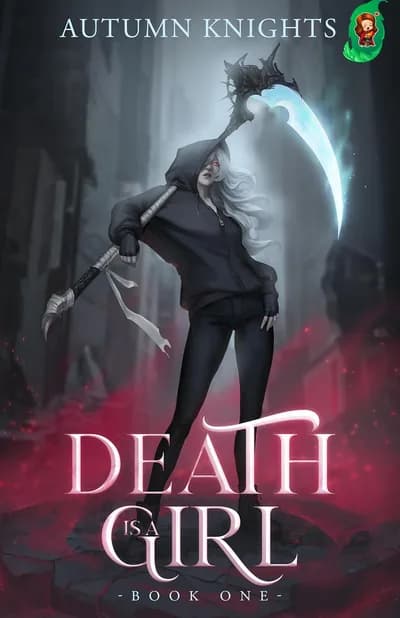
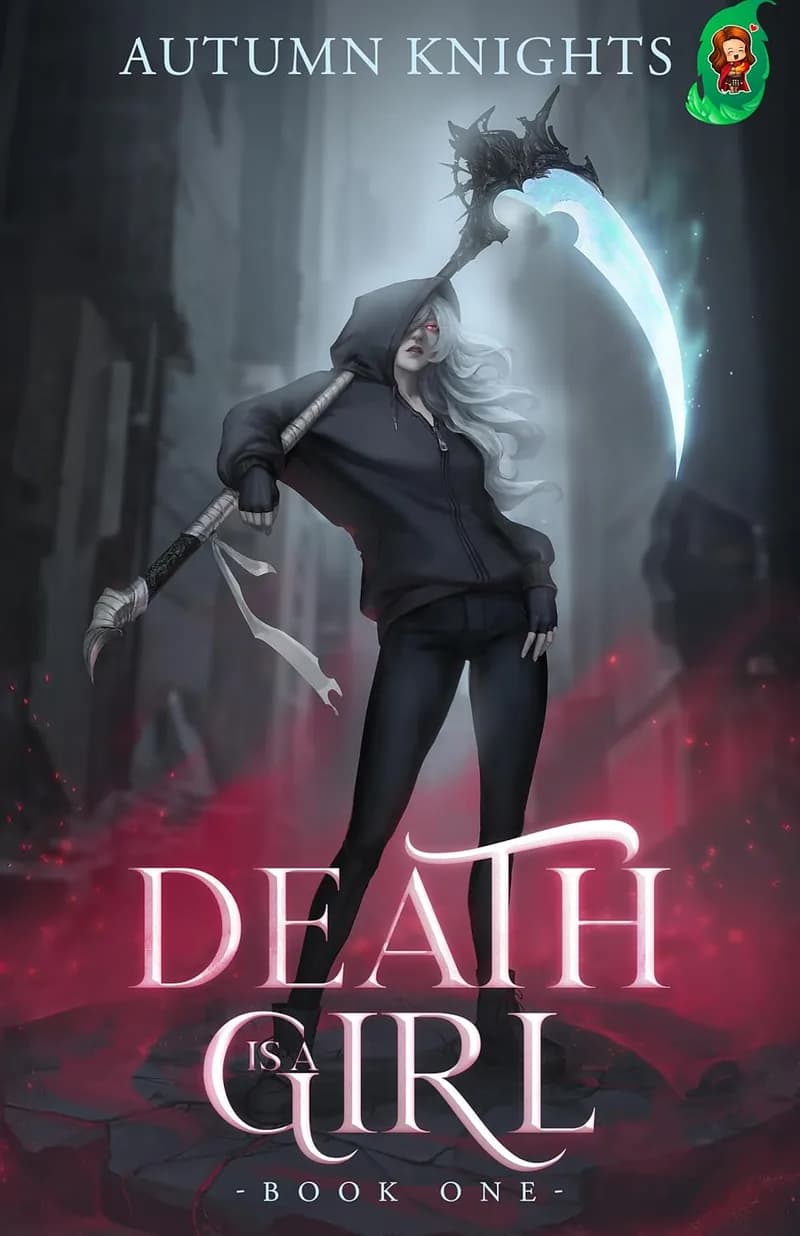
  • Death Is a Girl — a white-haired girl in a black hoodie hefts a glowing scythe in a ruined street

    Death Is a Girl

    Autumn Knights

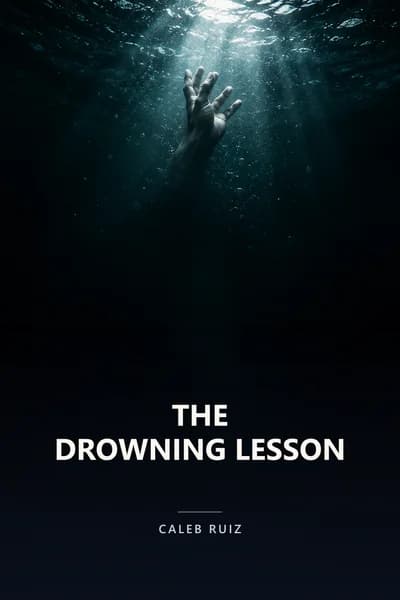
  • The Drowning Lesson — a pale hand reaching up through dark water towards a single shaft of light

    The Drowning Lesson

    Caleb Ruiz

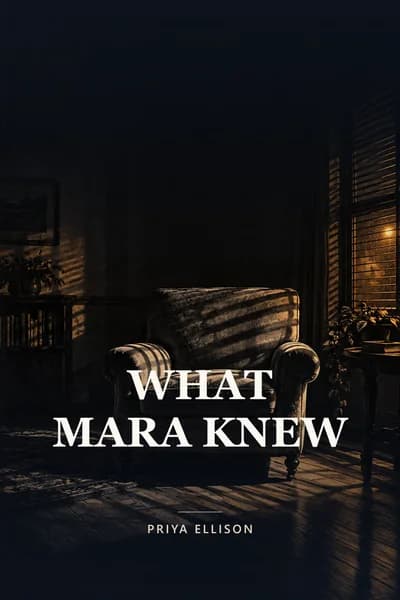
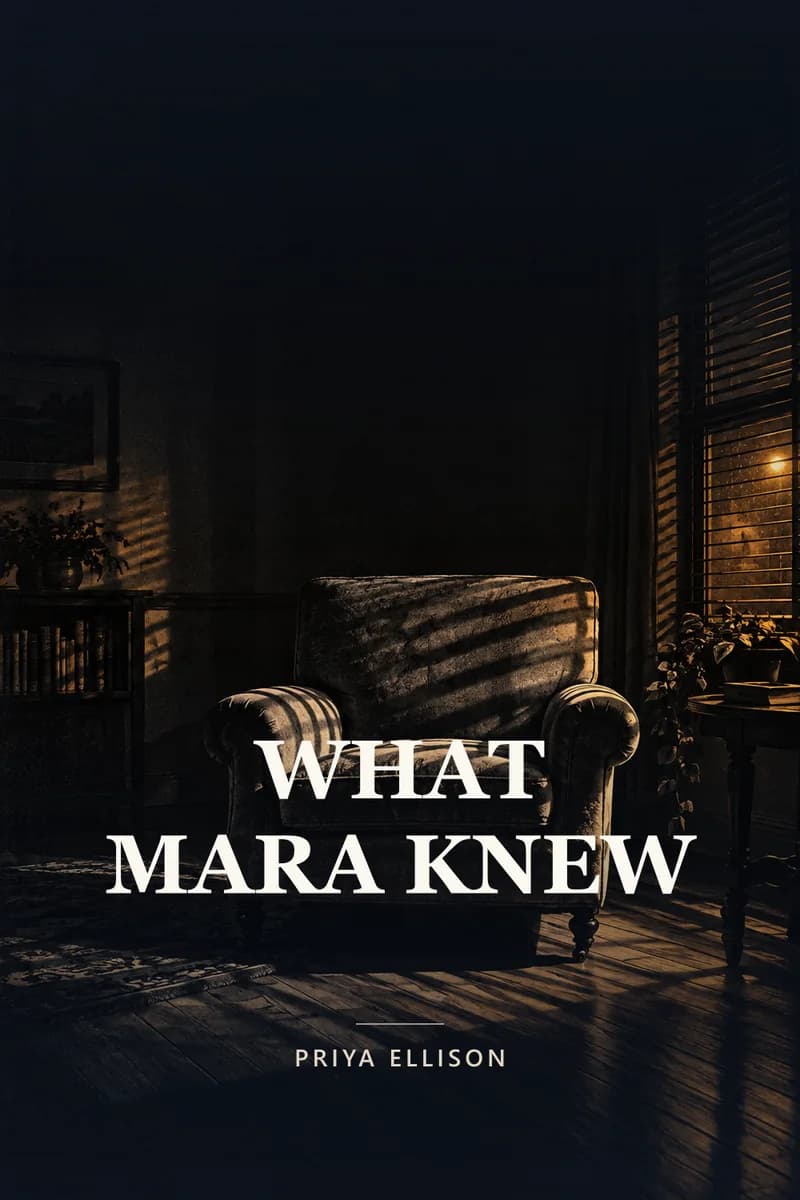
  • What Mara Knew — venetian blind shadows falling across an empty armchair in a dim room

    What Mara Knew

    Priya Ellison

A reader with pink hair turning a page at a bright desk

What this genre needs

Pace is a structural property, not a writing style

A thriller that drags is almost never slow at sentence level. It is slow because of what happens in which order, and how much the reader knows.

Editing this genre means tracking information: what the reader knows, what the detective knows, what the killer knows, and when each changes. A mystery that withholds unfairly cheats; one that reveals too early deflates. Both faults live in the structure, which is why a structural edit matters more here than a line edit.

Covers carry a lot of weight too, because crime, cosy mystery and psychological thriller look different and readers buy by that difference. We work through book editing, book cover design and self-publishing to get both right.

  • A structural edit focused on information and pace
  • Clue and timeline continuity tracked across the manuscript
  • Covers that distinguish crime, cosy and psychological thriller
  • Series setup for authors writing a detective more than once

What's involved

What thriller publishing involves

Four things this genre is judged on.

  • Pace editing

    Chapter order, scene length and where the reader learns each thing.

  • Clue continuity

    A tracked list of clues, red herrings and timings, checked for fair play.

  • Subgenre signalling

    A cover that reads as crime, cosy or psychological thriller, not all three.

  • Series groundwork

    A recurring detective needs a cover system and a continuity document.

Case study

A thriller jacket built on one idea

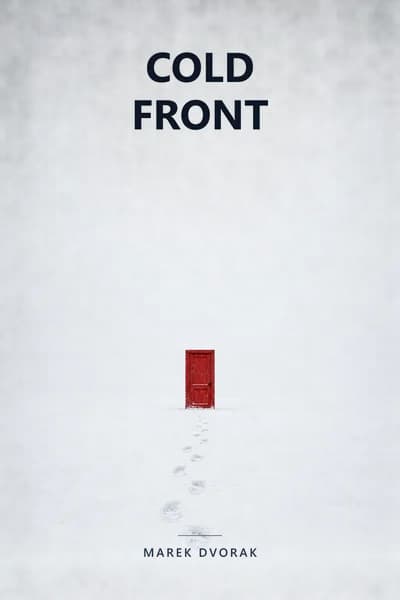
Crime, cosy mystery and psychological thriller look different on purpose. This one had to read as cold, procedural and modern from across a shop.

Cold Front — a single red door in a flat expanse of white snow, graphic and minimal

Cold Front

Marek Dvorak

The brief: a procedural thriller set in snow country, competing in a category of dark, busy covers. It had to stand out in a grid of thumbnails without resorting to a running figure or a bloodied knife.

What we did

  • Inverted the category: an almost entirely white cover among dark ones
  • Reduced the whole image to one red door and a line of tracks
  • Set the title in wide-tracked sans at the top, where the field is emptiest
  • Tested it beside the current top twenty in the category at thumbnail size
  • Kept one accent colour so the series can change it per book

What was delivered

  • Cover artwork for print, ebook and audiobook
  • Wraparound print cover with spine and barcode area
  • Categories and keywords for crime, mystery and thriller separately
  • A series style sheet for a recurring detective

Questions authors ask

Thriller and mystery: questions authors ask

Eighty to a hundred thousand words for most crime and thriller categories, with cosy mystery comfortable at sixty-five to eighty. Much shorter and the puzzle has no room; much longer and the pace suffers, which is the one thing this genre cannot survive. We will tell you where yours sits.

Yes. A structural edit on a mystery includes a clue audit: every clue, alibi and time reference logged and checked against the solution. We flag unfair withholding and accidental giveaways, both of which are invisible to an author who knows the answer and obvious to a first-time reader.

Yes, and it should be designed as a system before book one. Readers find a recurring detective by recognising the look, and a series where book three looks unrelated loses that. Tell us at the brief stage even if later books are years away.

It has a stronger trade market than most genres in Australia, with real bookshop presence and a festival circuit, so if a traditional deal matters to you, crime is a reasonable category to submit in first. We will say that plainly rather than talk you out of a route that might suit you.

We will flag what reads as implausible and where a procedural detail is likely wrong, but we are editors, not police consultants. For a book where procedure carries the plot, we will recommend a specialist read and tell you roughly what it costs rather than pretending an editor can substitute.

That is a useful question and the answer changes your cover, your categories and your blurb. Broadly, a thriller asks whether disaster can be prevented and a mystery asks what already happened. We work out which your book is actually doing and position it there, because hedging reaches neither audience.

Still have a question? A real publisher will answer it.

Start your publishing journey
Make room for your book.

From your desk to a reader’s shelf

Send us the manuscript

An editor reads it for pace and fair play, then tells you what the book needs before anything is designed. Free, and no obligation.