
Skip to content
Kangaroo Direct Publishing — home

Genres

Children's book publishing for Australian authors

Picture books and chapter books, paginated and illustrated the way the format requires, printed on paper that survives a four-year-old and a hundred bedtimes.

  • A free manuscript read
  • Fixed written quote
  • You keep the rights

Portfolio

Children's books covers from our studio

Cover and production work, each shown with its title and author.

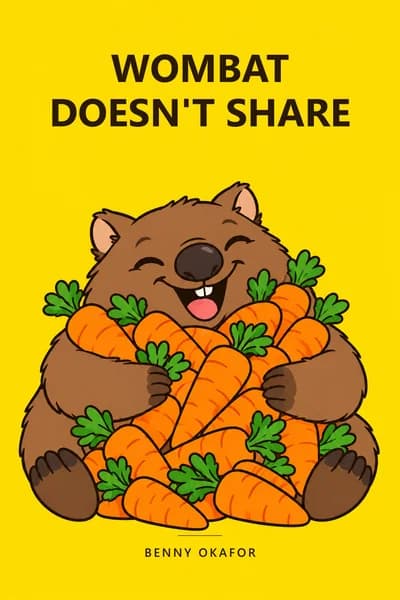
  • Wombat Doesn't Share — a round cartoon wombat hugging a pile of carrots on a bright yellow field

    Wombat Doesn't Share

    Benny Okafor

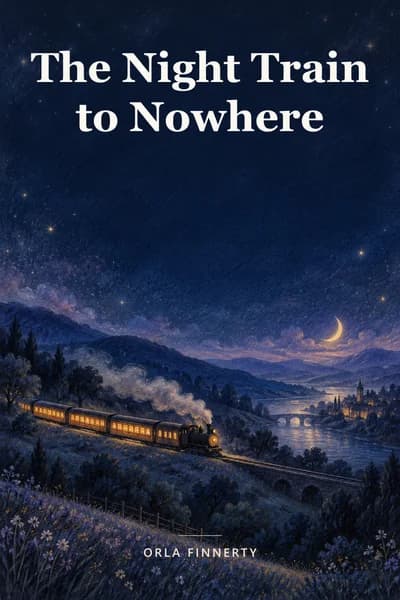
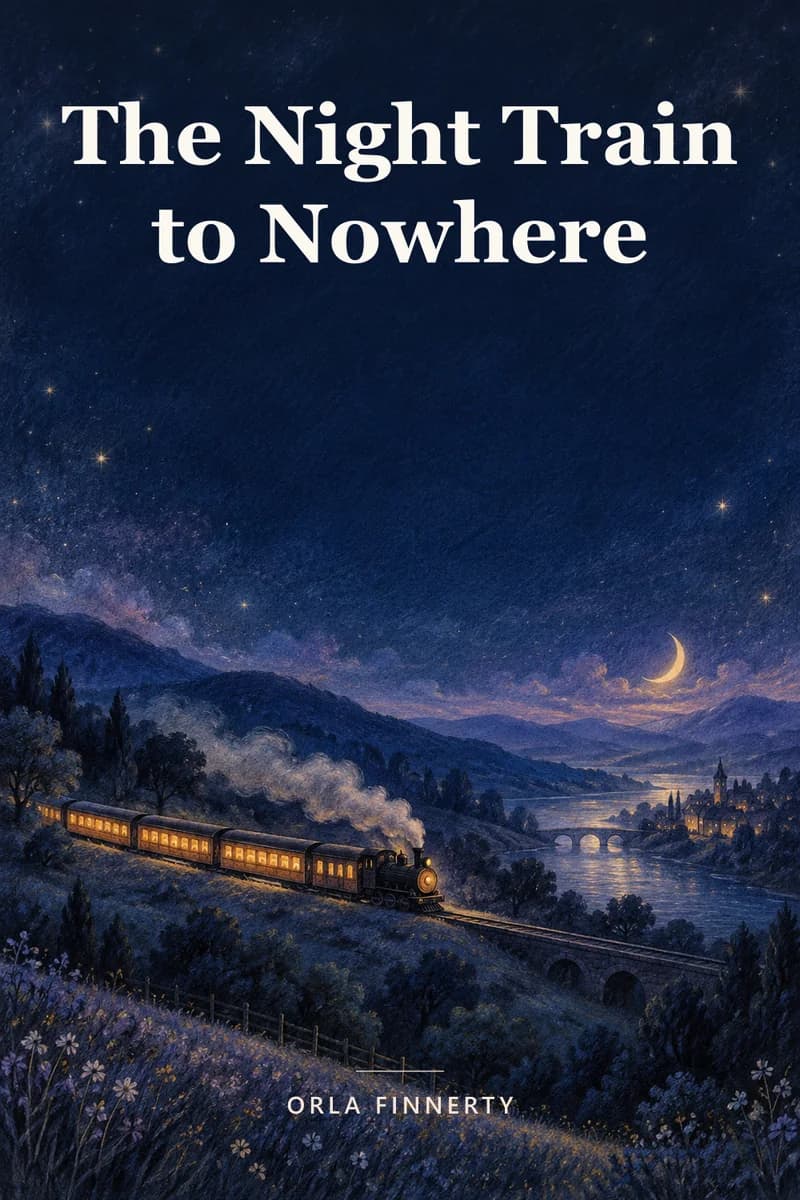
  • The Night Train to Nowhere — a small lit train crossing a starry hillside, drawn in soft pastel

    The Night Train to Nowhere

    Orla Finnerty

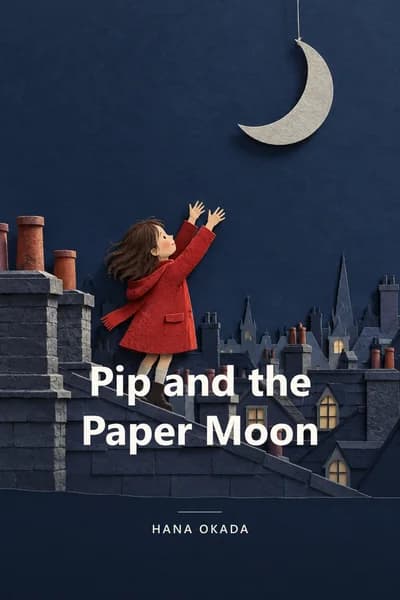
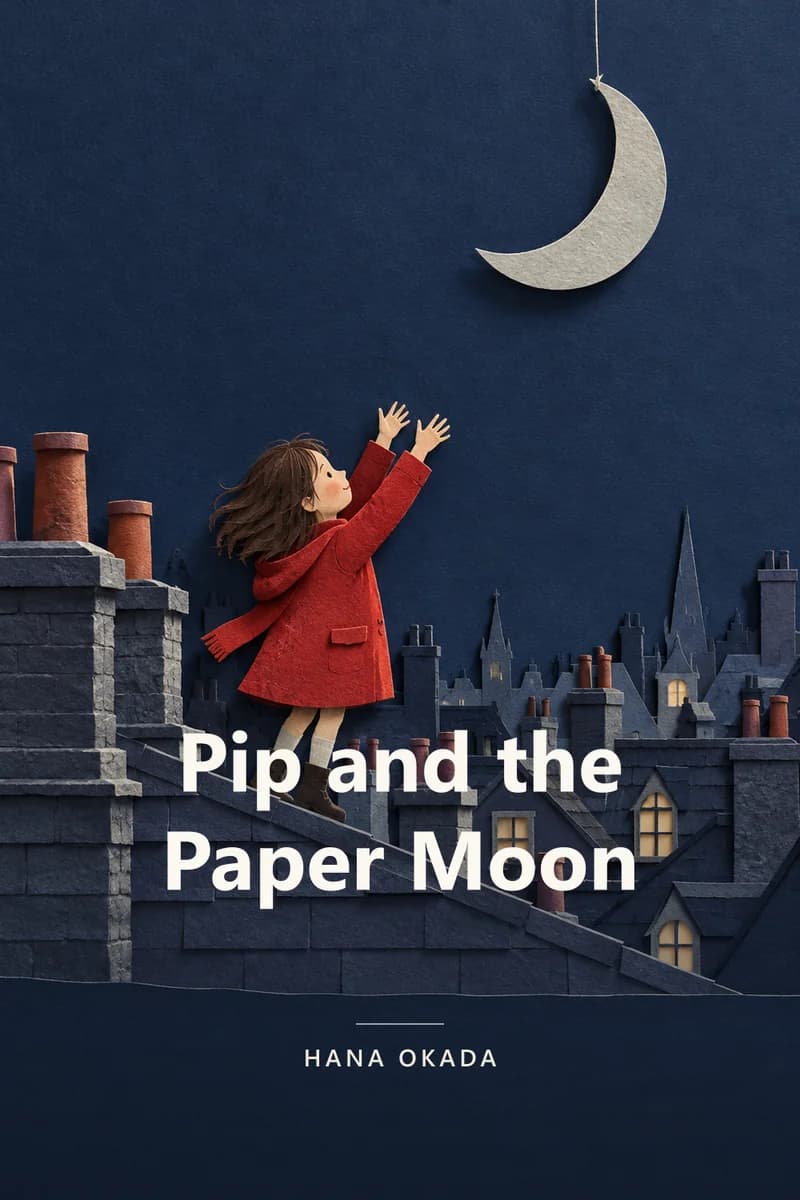
  • Pip and the Paper Moon — a cut-paper diorama of a child on a rooftop reaching for a paper moon

    Pip and the Paper Moon

    Hana Okada

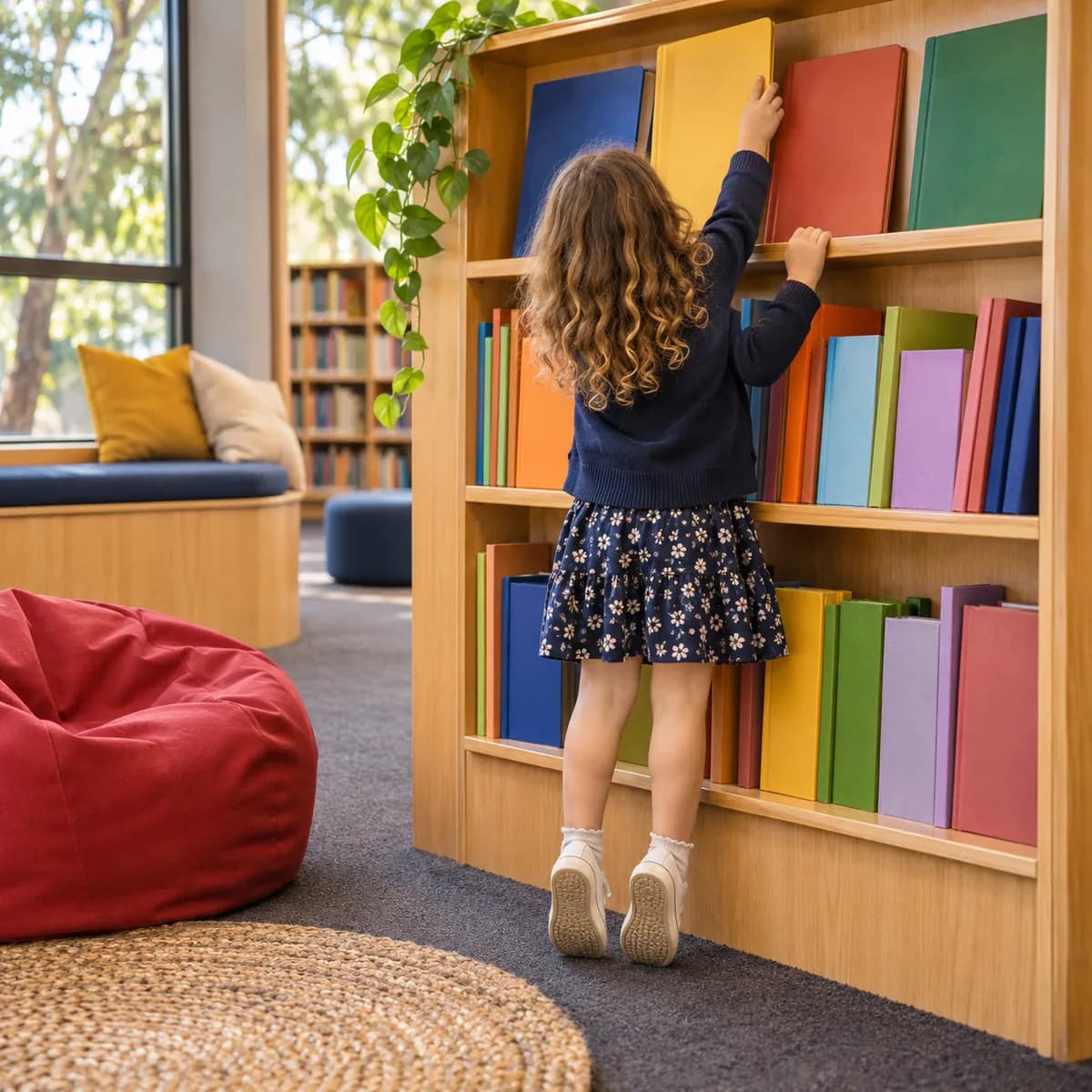
A child with curly hair reaching for a picture book on a library shelf

What this genre needs

A picture book is 32 pages for a reason

The format is not a convention to work around. It is a printing constraint that shapes how the story has to be told.

Books are printed in signatures, which is why picture books come in multiples of eight — 24, 32 or 40 pages. Thirty-two is standard, and after front matter you have roughly fourteen spreads for the story. Your text has to break across those spreads with a reason to turn each page, and most manuscripts need trimming to get there.

Then it is illustration, typesetting around artwork, and a print specification that survives being read aloud nightly. We work through children's book illustration, interior formatting and book printing.

  • Pagination across the standard 24, 32 or 40-page format
  • Character sheets approved before any spread is painted
  • Age-appropriate type size, measure and vocabulary checked
  • Board, paper and lamination chosen to survive real children

What's involved

What children's publishing involves

Four things the format demands.

  • Pagination

    Your text broken across spreads, with a reason to turn every page.

  • Illustration

    Character design, storyboard, then finished spreads at print resolution.

  • Age-level checking

    Vocabulary, sentence length and type size matched to the reading age.

  • A durable print spec

    Paper, board and lamination chosen for books that get handled hard.

Case study

A picture book, from the publishing side

The cover-design thinking sits on the illustration page. These are the publishing decisions: format, print cost and the read-aloud.

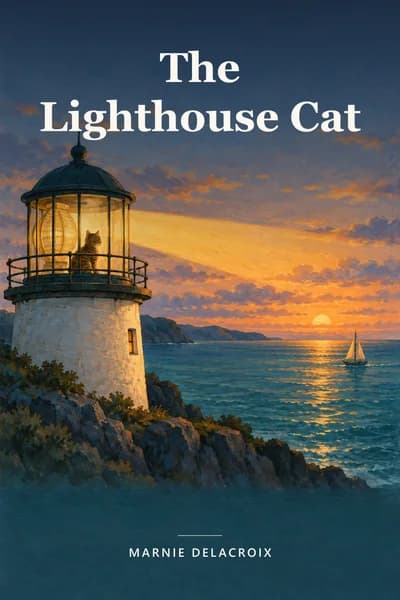
The Lighthouse Cat — a tabby cat watches the sunset from a lighthouse lantern room above a calm sea

The Lighthouse Cat

Marnie Delacroix

The brief: a 32-page bedtime picture book that had to work as a read-aloud, survive repeat reading, print affordably in Australia, and still be legible as a thumbnail in an online store. Those four constraints pull against each other.

What we did

  • Paginated a 400-word text to 14 story spreads, trimming roughly 60 words at the turns
  • Set the type at 18pt with a short measure, so an adult can read it in low light
  • Specified 150gsm matte art paper and a laminated cover for durability
  • Chose a 250 × 250mm square trim, which prints economically in Australia
  • Reserved a clear text band on every spread so type never fights the artwork

What was delivered

  • Print-ready 32-page interior with bleed and gutter allowances
  • Cover artwork for print and ebook, plus a read-aloud edition
  • A fixed-layout ebook, since a reflowable one destroys picture-book pages
  • A print specification you can take to any printer
Questions authors ask

Children's books: questions authors ask

Five hundred to a thousand words across 32 pages for ages three to six, and often fewer. If your text runs past about 1,200 words the format is probably wrong rather than the writing, and the honest answer is usually a chapter book with line illustrations instead.

No. We shortlist two or three illustrators whose style suits your text and show you their portfolios, and you choose. If none of them feel right we look again. Style mismatch is the one thing revisions cannot fix later, so it is worth getting right before anything is painted.

More than any other genre here, because sixteen finished spreads of illustration is the bulk of the cost and it is skilled work. Chapter books with a handful of line drawings cost far less. We quote after reading the text and agreeing the page count and illustration level.

If your artwork is print-ready, yes, and we will tell you candidly whether it is. Resolution, bleed and colour mode are technical problems we can solve; whether the illustration holds up beside what else is on the shelf is a judgement we will give you honestly before you spend on printing.

We list it with Australian library suppliers and lodge legal deposit, which makes it orderable. Actually getting into schools usually comes from author visits and local relationships rather than listings, and that work is yours. We would rather say so than imply a channel we cannot open.

Fixed layout for a picture book, because reflowing text destroys pages where words and images are composed together. Fixed-layout files are larger and not all readers support them well, so we usually produce one alongside print rather than treating the ebook as the main edition.

Still have a question? A real publisher will answer it.

Start your publishing journey
Make room for your book.

From your desk to a reader’s shelf

Send us your story

Send the text, however rough, and tell us the age you are writing for. We will come back on pagination, illustration options and a price.